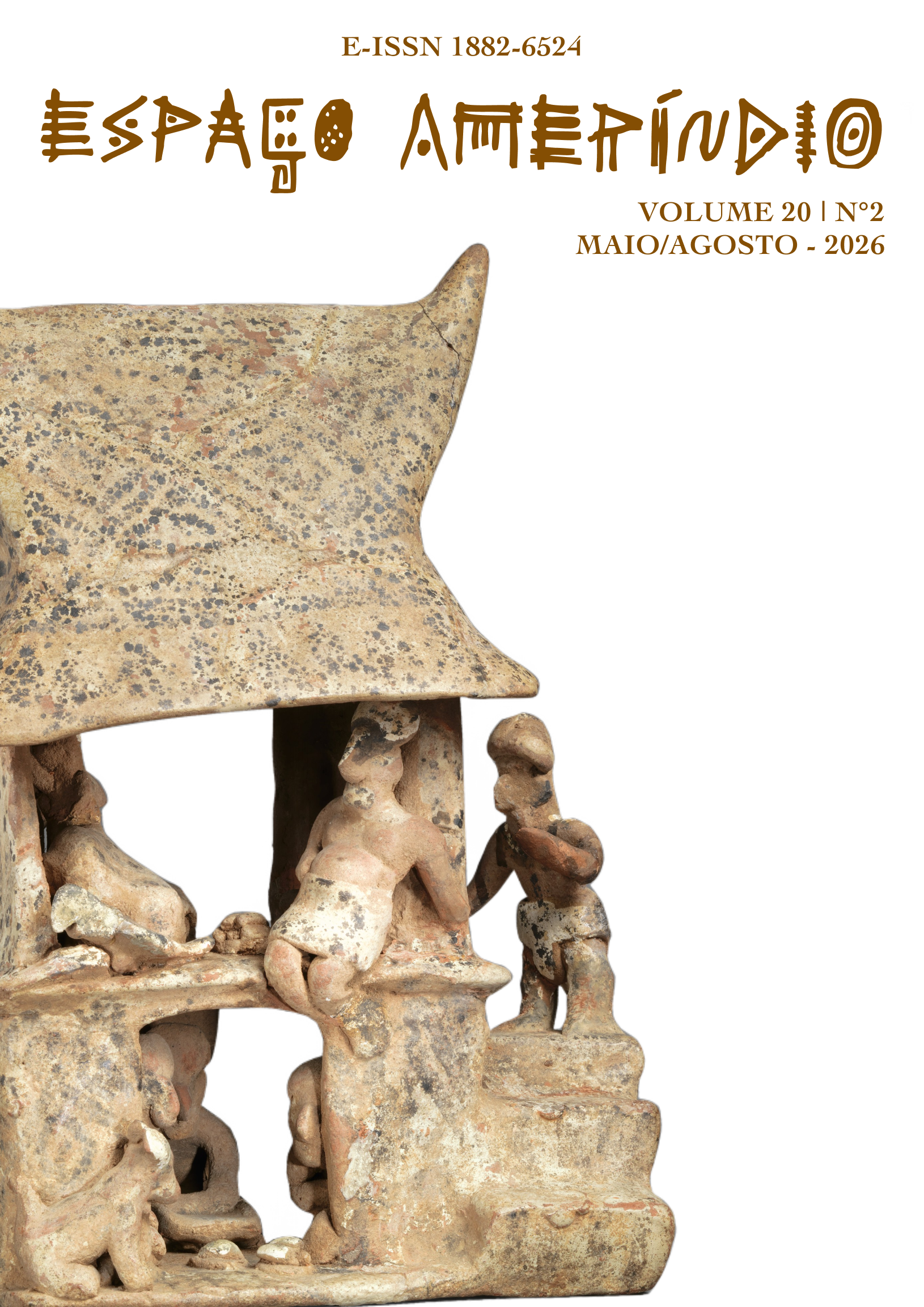
Human gender between present and past
modernity-colonialism, memory and the discourse about the future
Abstract
In this paper, based on an analysis of epistemic assumptions of theories of European modernity/modernization, we develop the correlation between modernity/modernization and/as human gender. This is grounded on the idea that human evolution goes from the traditional (in this case, represented by Black and Indigenous peoples) to the post-traditional (represented by White/European peoples). Thus, modernity/modernization represents the effective present that, as self-consciousness, is – only modernity/modernization, from inside to out—the paradigm capable of understanding and stratifying the past, understanding itself as a current subject, and projecting itself into the future. In this sense, it not only monopolizes the history (past) of the human gender, but also, by conceiving itself as the present of this same human gender, assumes itself as the sole subject and route to the future. Here, the others of modernity would be made invisible, delegitimized and, ultimately, erased by it, losing any effective importance in terms of justification, dialogue, and reciprocity regarding human paths.
Downloads